y home inspection company that offers NJ residents real estate home inspections. Let us be your choice for all your New Jersey home inspections needs. We guarantee our home inspections inspectors' work. |
|||||||||||||||||||||||||||||||||||||||||||||||||||||||||||||||||||||||||||||||||||||||||||||||||||||||||||||||||||||||||||||||||||||||||||||||||||||||||||||||||||||||||||||||||||||||||||||||||||||||||||||||||||||||||||||||||||||||||||||||||||||||||
|
|
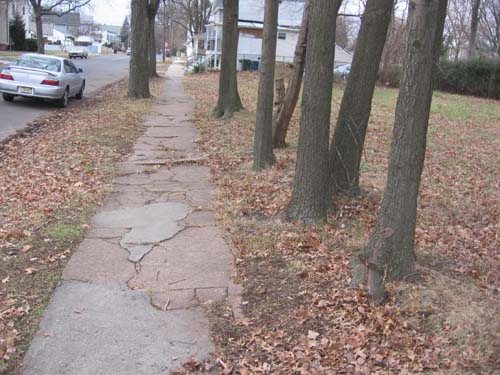
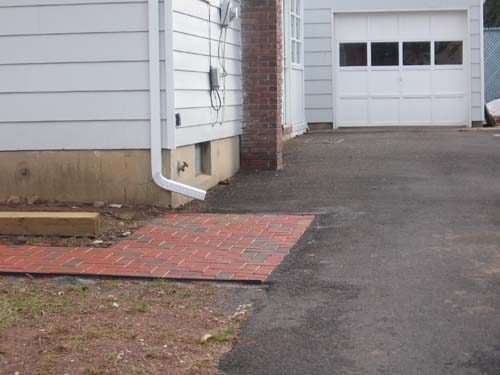
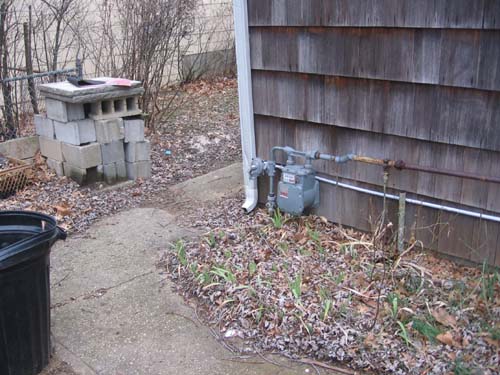
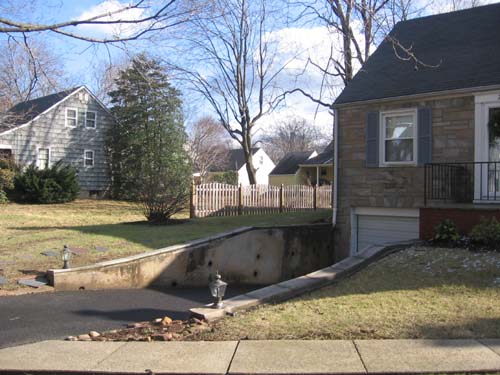
SIDEWALK AND DRIVEWAY ICE PROBLEMS - The rain gutter and downspouts that discharge onto a sidewalk or driveway can be very dangerous situation, particularly in cold climate areas. With a cold snap, the discharged snow or rain water will freeze and the area then becomes a sheet of ice. Needless to say, now the sidewalk or driveway has become a dangerous slip and fall area.
| ||||||||||||||||||||||||||||||||||||||||||||||||||||||||||||||||||||||||||||||||||||||||||||||||||||||||||||||||||||||||||||||||||||||||||||||||||||||||||||||||||||||||||||||||||||||||||||||||||||||||||||||||||||||||||||||||||||||||||||||||||||||||





 |
 |
||
|
FALL INTO DRIVEWAY |
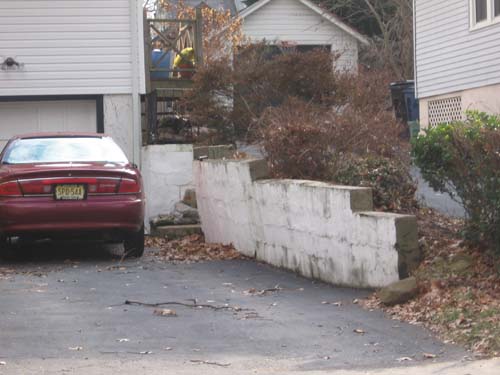
LEANING RETAINING WALL |
||
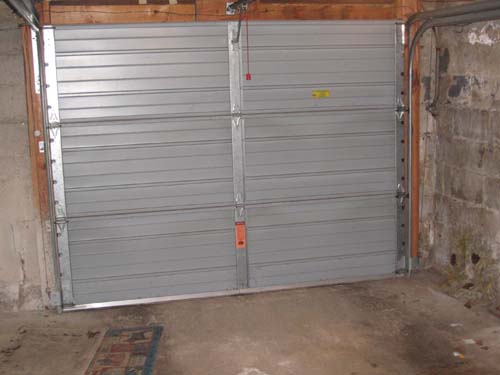
GARAGE DOORS -
Motorized garage vehicle doors that do not
automatically reverse when resistance is encountered
is a real safety hazard. Most motorized garage doors
openers have a built-in automatic reversing mechanism
that reverses the direction of the door when
resistance is encountered. Or, some doors have
electric eyes mounted on the lower garage door frame
that would reverse the door if someone or some thing
is under the door. These automatic reversing devices
have saved many a child from serious injury. If your
motorized garage door opener doesn't have either of
these safety features, we recommend that the issue be
addressed as soon as possible with the installation of
the electric eyes type system.
 |
 |
||
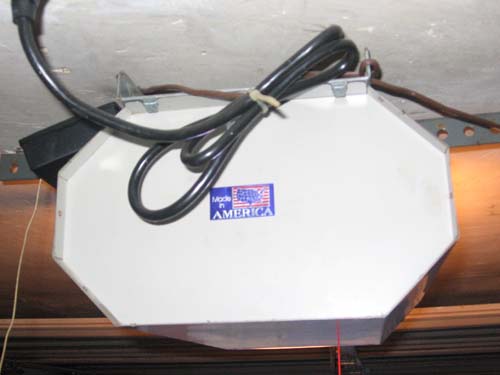
| NO SAFETY REVERSIBLE ELECTRIC EYE AT BOTTOM OF DOOR | NO SAFETY REVERSING ADJUSTERS ON BACK OF MOTOR UNIT | ||
EQUIPMENT SAFETY TIPS
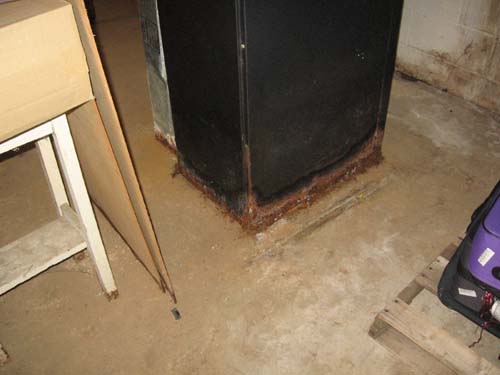
FURNACE -
To assure that the furnace is functioning properly, it
should be serviced once a year by a professional
heating contractor. The home owner should change the
filter every three months. Cleaning the filter cleans
the air and helps maintain adequate clean air movement
throughout the house.
 |
 |
||
| RUSTED OUT FURNACE FROM HUMIDIFIER LEAK | RUSTED BACK OF SAME FURNACE | ||
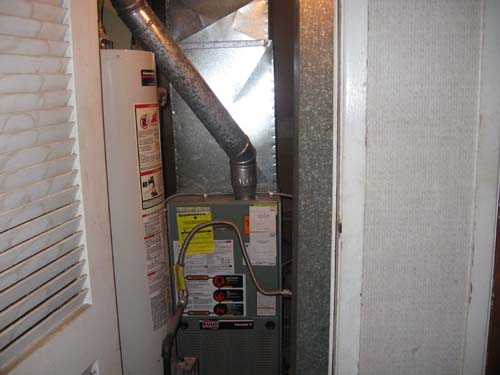
FURNACE ROOM - Our home inspectors look for the following safety hazards in the furnace room: (a) Wooden shelves built up against or near the hot venting ducts; (b) flammable materials stored on these shelves or highly flammable materials stored in a small furnace room with minimum ventilation. (c) a furnace must have a certain amount of air to function properly. Sometimes the home owner will change the furnace room door from a vented door to a solid door to eliminate the furnace noise. Our home inspectors have not only found door vents eliminated, but also wall vents to the furnace room closed off for the same noise reduction reason. By shutting off an adequate air supply to the furnace can create a very dangerous situation. If the furnace doesn't receive an adequate air supply, there is a good chance it will start producing carbon monoxide, which is a very dangerous gas.
 |
 |
||
| VENTED DOOR FOR SMALL FURNACE | UNSAFE STORAGE AROUND FURNACE | ||
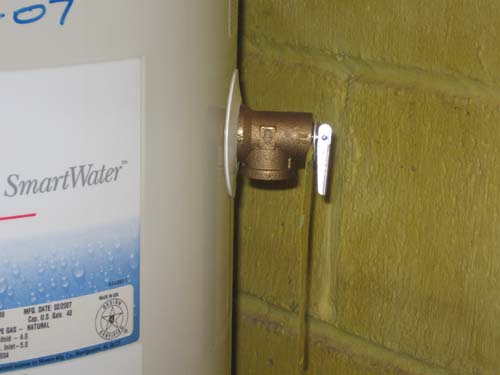
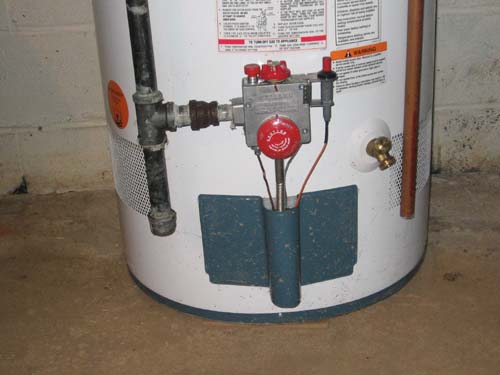
HOT WATER HEATER - Believe it or not, the hot water heater can become a dangerous piece of equipment if not maintained properly. The dangers are: (1) water temperature set to high and children get scalded. A safe water temperature setting should be no more than 120 degrees. (2) The water temperature/pressure relief valve discharge line should never be capped because of a water drip. If this line is capped, the temperature/pressure relief valve is rendered inoperative. Then if there is a build up of temperature/pressure in the tank, the tank could rupture. If the line developed a drip, by changing the TPR valve should cure the problem. (3) A missing or short temperature/pressure discharge line is also a dangerous situation. This line directs scalding water or steam to the floor if the TPR valve discharges. Without this line, the TPR valve could discharge hot water or stem, directly onto a person standing nearby if the TPR valve is activated (4) Hot Water Heater can also produce Carbon Monoxide if not maintained and serviced. The hot water heater will develop Carbon monoxide for the same reason as described previously in the furnace section.
 |
 |
||
| MISSING SAFETY PIPE | TEMPERATURE ADJUSTMENT KNOB | ||
USEFUL LIFE OF A HOT WATER HEATER - Usually the manufacturer estimates that the useful life of a heater at 10 to 12 years. Some tell tail signs that there is a problem with the heater or, it's time to change the unit are: (a) noise coming from the heater like marbles rolling around inside the heater and/or (b) the hot water smells of rotten eggs.
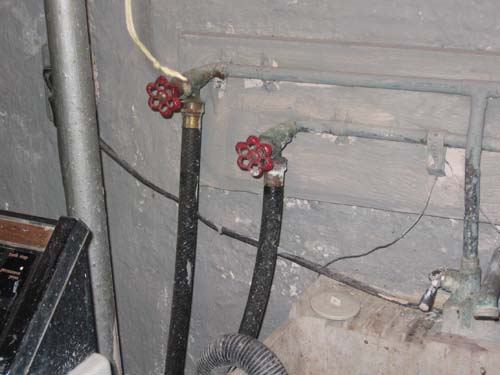
CLOTHES WASHER - Many a home has been seriously damaged when the rubber hose water filler line burst open from old age and ran water full force in the house all day or longer. This is not an uncommon occurrence. If the line burst while people are at work or an vacation, some real serious damage can happen. To avoid this situation we have two suggestions. One, change the old style rubber hoses to the new stainless steel type hoses. Two, close the water valve that feeds the water feed hose when one is done washing.
|
RUBBER AND METAL TYPE HOSES FOR WASHING MACHINES |
|||
 |
 |
||
| OLD RUBBER TYPE | NEW METAL BRAIDED TYPE | ||
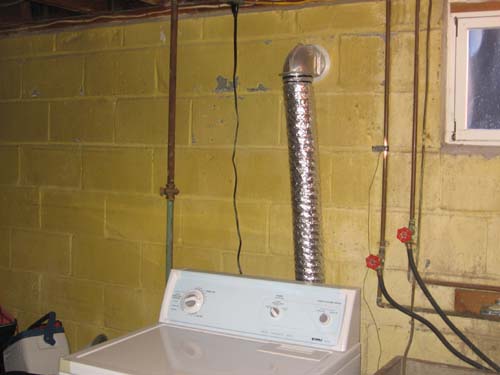
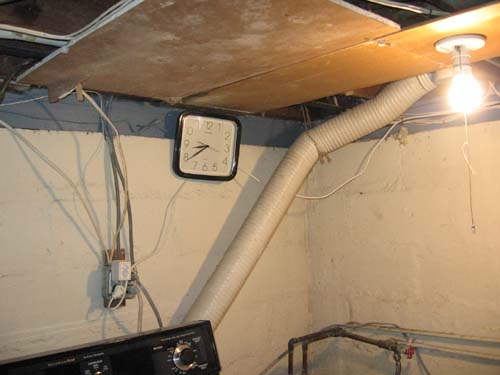
CLOTHES DRYER - there are a few area of a dryer that are a safety concern. (1) Always clear the lent out of the dryer filter after a few loads of laundry; (2) periodically inspect the dryer vent to make sure hot exhaust air in being discharged to the exterior and not blocked with built up lent or some other obstruction and (3) if your dryer has an old style plastic vent line we suggest it be replaced with the new metal type vent lines. The plastic vents pipes can be kinked and block up much easier than the metal vents. (4) Never put clothes that have been soaked with a solvent in the dryer. High temperature air and solvent is a dangerous combination which could cause a dryer fire.
|
 | ||
|
PROPER METAL TYPE VENT LINE |
OLD STYLE PLASTIC VENT LINE | ||
KITCHEN STOVE -
The stove should have a
safety tip strap which is a strap that is bolted to
the wall and the back of the stove. The purpose of
this strap is prevent the stove from tipping over if a
child opens the oven door and stands on the open door.
Without this strap, the stove could tip over on the
child. To check if a stove has a tip strap, the gas to
the stove should be shut off. The stove moved out for
inspection or tipped slightly to test for a safety tip
strap. This is beyond the duty of a home inspector for
two reasons: (1) home inspectors are not allowed to
turn off gas supply lines and (2) inspectors are not
allowed to move or tip appliances.
ATTIC FANS -
Any attic fan can be a
real safety hazard under certain conditions. On
several occasions, our inspectors have found that if
an attic fan is running and there is no attic
ventilation, the fan will create a negative pressure
in the whole house. This situation turns the chimney
into a air vent for the fan which could draw deadly
carbon monoxide into the house.
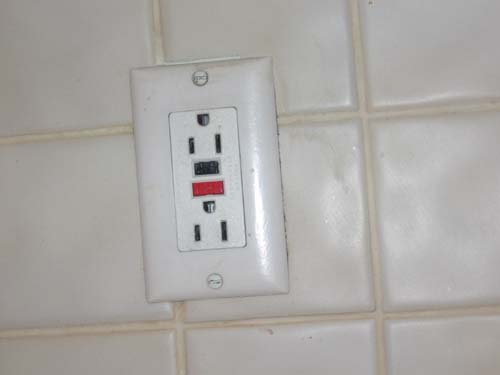
ELECTRICAL OUTLET -
Outlets near water should be the GFI ( ground fault
protector) style that trips immediately in case of an
electrical grounding problem or a problem with
equipment that is plugged into the outlet.
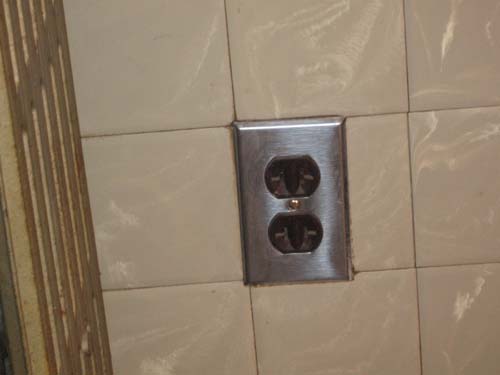 |
|
||||
| OLD TWO PRONG OUTLET | NEW GFCI STYLE OUTLET | ||||
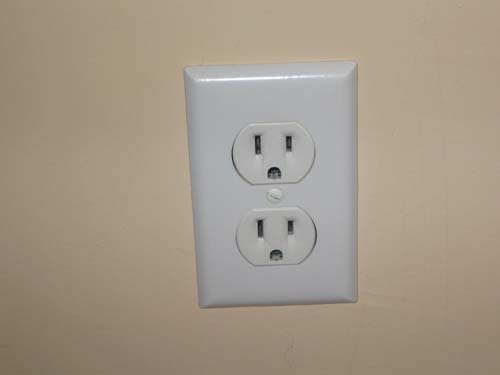
| 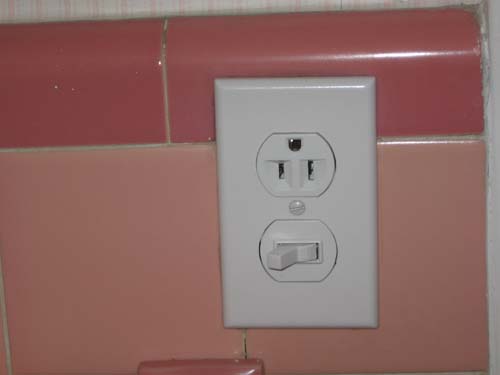 |
||||
| PROPER TYPE GROUNDED THREE PRONG OUTLET | PROPER OUTLET WITH SWITCH | ||||
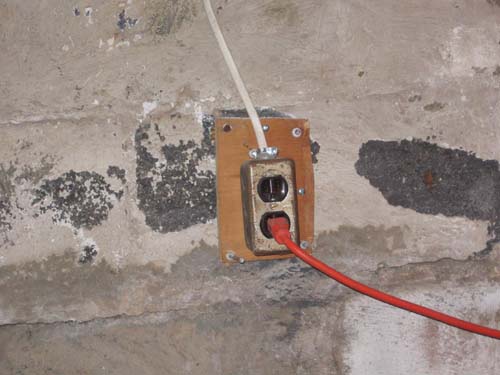
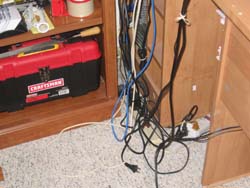
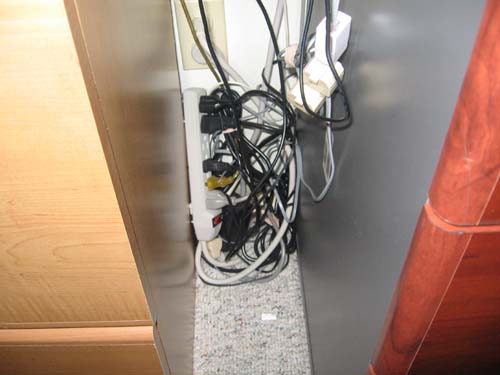
EXTENSION CORDS -
If one is using an extension cord in lieu of permanent
wiring, extreme caution should be used. At least use a
surge protector as the main feed outlet. This
situation is quite common in older home with limited
amperage and outlets.
| EXAMPLES OF TYPICAL EXTENSION CORD WIRING | |||||
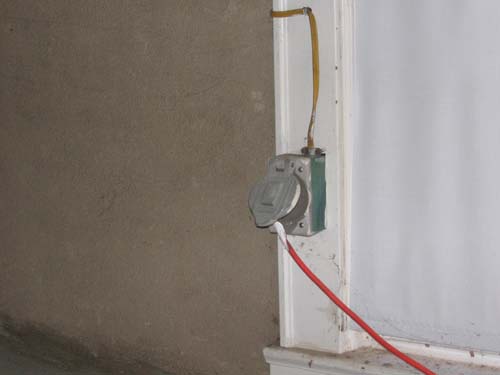 |  | ||||
| EXTENSION CORD | EXTENSION CORD IN GARAGE | ||||
 |  | ||||
| SURGE
PROTECTOR TYPE | SURGE PROTECTOR TYPE | ||||
BATHROOM VENT -
Always vent the fan
driven bathroom vent to the exterior of the house.
Many times our home inspectors find that the bathroom
vent terminates into the attic and not the exterior of
the house. Venting moisture into the attic can cause a
serious mold problem.
SUMP PUMP -
A sump pump that doesn't function is as good as no
pump at all. Homes have had serious water damage
because someone unplugged the pump to use the
electrical outlet and forgot to plug the pump back in
the outlet. We also recommend that a sump pump high
water alarm be installed. The alarm will activate if
the pump is not functioning and the water in the pit
is getting high. Another good idea is to have a
battery backup for the sump pump in case the electric
goes out for an extended period of time.
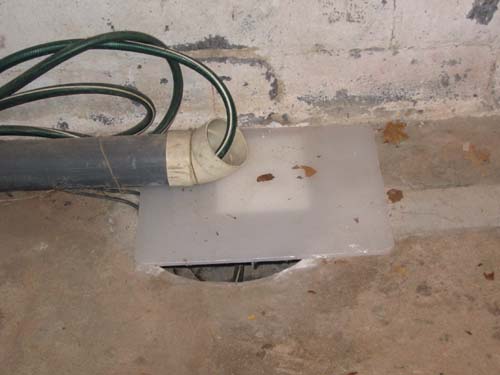 |  | ||
| IMPROPER SUMP
PUMP WITH GARDEN
HOSE DISCHARGE | PROPER
PUMP DISCHARGE TO | ||
MOLD PROBLEMS -
Mold needs water or moisture to survive. Keep the
house free of water penetration and keep the moisture
level low to avoid Mold problems. The following are
several suggestions on how to guard against mold
development:
(1) Inspect the attic periodically to make sure there
isn't a small roof leak that will create moisture but
is not big enough to be seen any where else in the
house but the attic.
(2) As mentioned earlier, don't have the powered
bathroom vent terminate in the attic causing moisture.
(3) Water penetration through the foundation into the
basement is one of the leading cause for mold growth
in house. Periodically check this area for signs of a
water or moisture problem.
(4) If one has a finished basement, a dehumidified is
a must to keep the dampness down. Any room that is
below ground is prone to having high moisture. And,
high moisture leads to mold development.
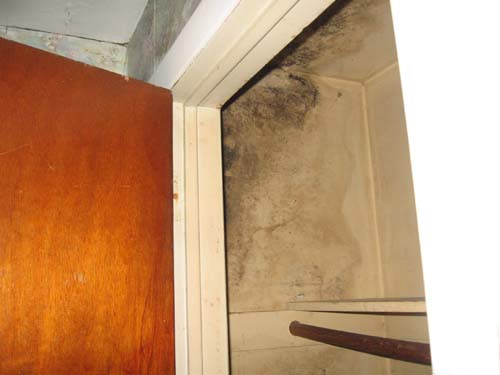 | 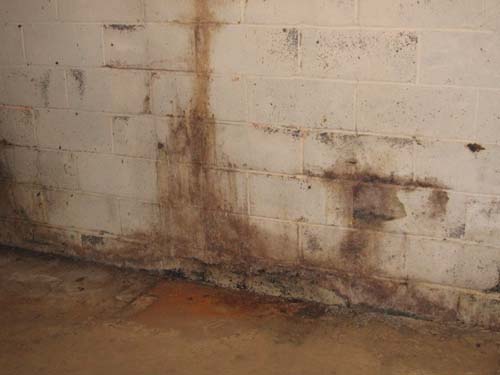 | ||
| MOLD
LIKE SUBSTANCE
IN CLOSET | MOLD LIKE
SUBSTANCE IN BASEMENT | ||
(5) Bathtub and shower caulking - One should
periodically caulk and seal around the shower walls
and floor and caulk and seal around the bathtub rim
and floor. This type maintenance keeps the water in
the contained area, and avoids water penetration into
the floor and walls that can cause mold.
(6) Water leaks - Any place there is a water leak,
even a little drip, is a potential mold problem. Water
or moisture brings mold, fix all leaks as soon as
possible.
(7) Basement storage of cardboard and newspapers -
Storing paper in a damp basement is a dinner
invitation for mold.
GENERAL HOME SAFETY TIPS
FIRE EXTINGUISHER
- Keep a
multi-purpose fire extinguisher on hand and have it in
an easy access place where anyone in the family cane
get to it quickly.
 |

| ||
| LARGE FIRE EXTINGUISHER | KITCHEN TYPE SMALL FIRE EXTINGUISHER | ||
FIREPLACE - Have a full coverage fireplace screen in front of the fireplace to repel any hot sparks or embers that may fly out onto the floor.
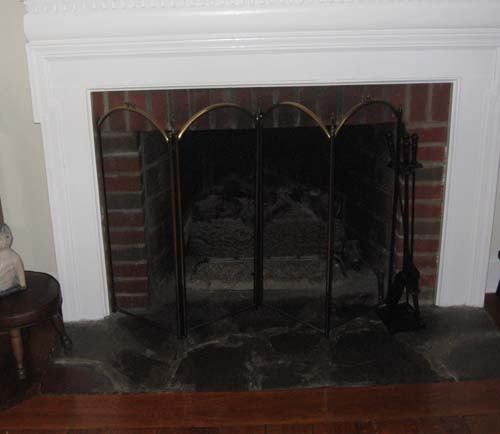 |
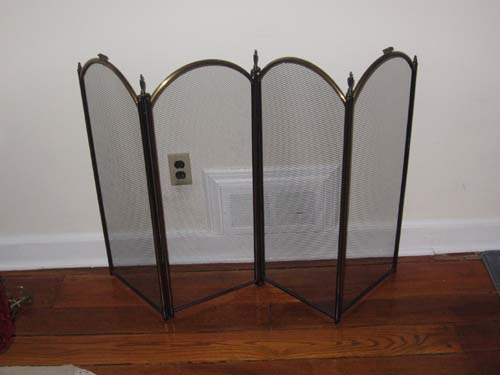 | ||
| FIRE SCREEN IN PLACE | PHOTO OF PROPER FIRE SCREEN | ||
ALARMS - Every home should have functional smoke alarms and carbon monoxide detectors. When the batteries stop functioning, replace them immediately. Alarms without batteries is the same as no alarm at all.
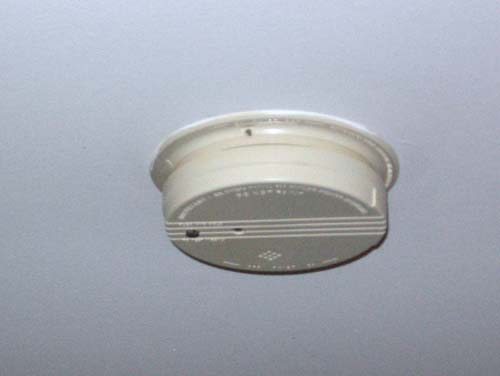 | 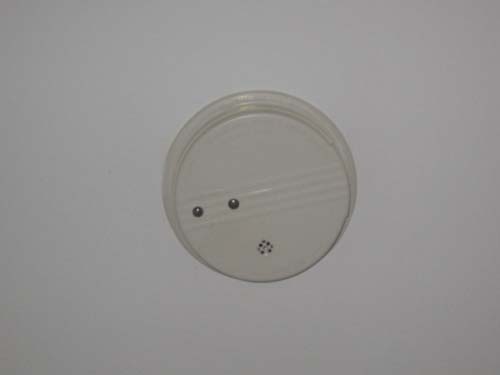 | ||
| SMOKE DETECTOR | SMOKE DETECTOR LIGHTS | ||
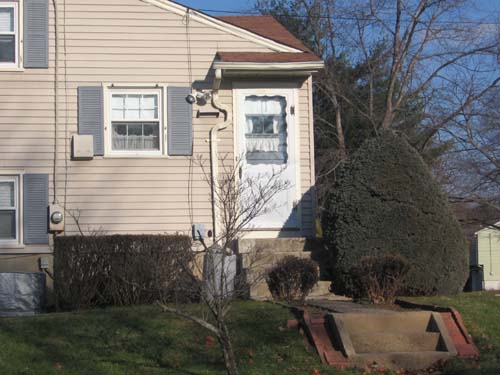
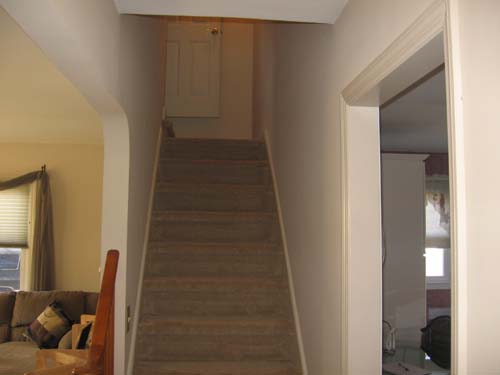
STAIRS - Some very serious accidents happen on the stairs. The two most common causes of these accidents are: (a) missing hand rails and (b) items stored on the steps that people can trip over.
 | 
| ||||
| CLOTHS HANGING
ON STAIRWAY
FALL ON STAIRS - TRIP HAZARD | NO HAND EXTERIOR RAILS | ||||
| 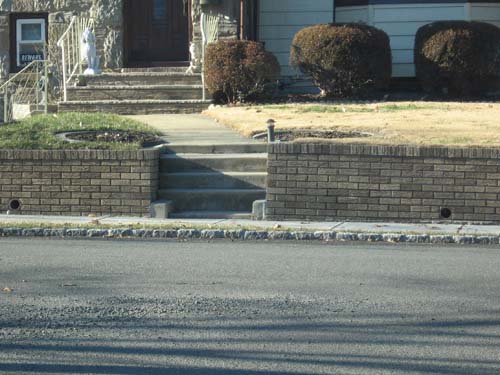 | ||||
| NO INTERIOR HANDRAILS | NO HAND RAILS TO SIDEWALK | ||||
THROW RUGS -
A small area rug
that doesn't have a rubber backing becomes a "throw
rug." These rugs slip out from under foot very easily,
particularly on a highly polished floor.
WINDOW AIR
CONDITIONERS -
Never use a
regular extension cord to run a window air
conditioner. Small light duty low amp extension cords
used to run a high amp a/c have been know to melt.
Always use a heavy duty special a/c extension cord to
run a window air conditioner.
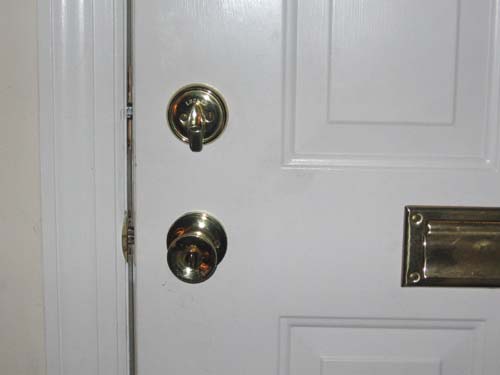
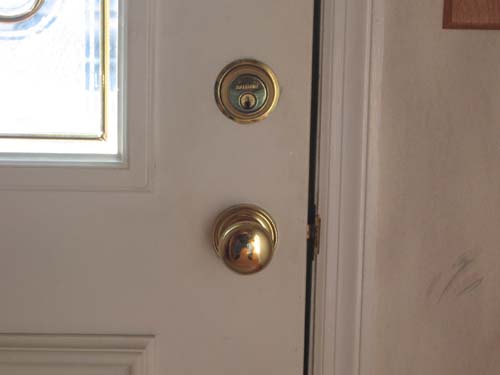
DEAD BOLTS -
Never use a door
dead bolt that is keyed on both sides. The reason is
very simple, if a fire breaks out inside the house and
the dead bolt key cannot be found, a person could be
trapped in the house . Always use a dead bolt that can
be open from the interior with a simple turn latch.
 | 
| ||
| PROPER DEAD BOLT LOCK | IMPROPER DEADBOLT LOCK | ||
ELECTRICAL SAFETY IN THE
HOME For more
information on using safely in the home, see
www.cdc.gov/nasd/docs/d000801-d000900/d000822/d000822.html
ELECTRICAL SAFETY TIPS
Here are some checks you can make in your home to
ensure electrical safety at
http://www.esfi.org/sub.php?l0=hs&l1=hest
FURNACES SAFETY AND
MAINTENANCE For
more information on furnace safety and maintenance,
see
www.nationalfurnace.com/advice.htm
HOT WATER HEATER SAFETY
For information on how to use your hot water heater
safely, see
www.keidel.com/resource/safety/s-heaters.htm
| Counties Served in New Jersey |
Middlesex County,
Union County,
Somerset County,
Essex County,
Hunterdon County,
Hudson County,
Bergen County,
Passaic County,
Mercer County,
Ocean County,
Monmouth County, and
Morris County.
Towns Served in New Jersey
|
HOME INSPECTOR NJ
-
BERGEN COUNTY WITH ZIP CODES
THE G WARREN INC NJ HOME INSPECTION DIRECTORY, SERVING THESE
NEW JERSEY CITIES: IN LOWER
BERGEN COUNTY NEW JERSEY –
ALPINE NJ 07620. HOME
INSPECTION FOR
BERGENFIELD NJ 07621 AREA WE
HAVE HOME INSPECTORS FOR
BOGOTA NJ 07603 AREA –
LICENSED HOME INSPECTOR FOR
CARLSTADT NJ 07072 AREA - G
WARREN HAS LICENSED HOME INSPECTOR FOR
CLIFFSIDE PARK NJ 07010 AREA
- WE DO HOME INSPECTION FOR
CRESSKILL NJ 07626 HOMES - WE
HAVE INSPECTED MANY
DEMAREST NJ 07627 HOUSES -
OUR HOME INSPECTION SERVICE AREA DOES INCLUDE
DUMONT NJ 07628 AREA - WE DO
COMPLETE HOME INSPECTION IN
EAST RUTHERFORD NJ 07073 - WE
ABSOLUTELY HAVE LICENSED HOME INSPECTOR FOR
EDGEWATER NJ 07020 HOMES –
FIRST CLASS HOME INSPECTOR FOR
ELMWOOD PARK NJ 07407 HOMES -
WE INSPECT HOMES IN THE ENTIRE
ENGLEWOOD NJ 07631 AREA – G
WARREN HAS A LICENSED INSPECTOR FOR
ENGLEWOOD CLIFFS NJ 07632
AREA - WE HAVE A CERTIFIED HOME INSPECTOR FOR THE
FAIRLAWN NJ 07410 AREA - WE
SERVICE THE
FORT LEE NJ 07024 AREA - WE
SERVICE THE COMPLETE
GARFIELD NJ 07026 AREA - WE
ALWAYS SERVICE THE
GLEN ROCK NJ 07452 AREA - WE
HAVE EXPERIENCED INSPECTOR FOR
HACKENSACK NJ 08035 AREA –
HOME INSPECTION FOR
HASBROUCK HEIGHTS NJ 07604
AREA - WE DO INSPECT IN THE
HAWORTH NJ 07506 AREA - WE
ALSO SERVICE
LEONIA NJ 07605 AREA – G
WARREN SERVICES
LITTLE FERRY NJ 07643 AREA -
WE HAVE CERTIFIED INSPECTORS FOR
LODI NJ 07644 AREA - WE HAVE
EXPERIENCED INSPECTOR FOR
LYNDHURST NJ 07071 AREA - WE
SERVICE
MAYWOOD NJ 07607 AREA –WE
HAVE SERVICED MANY TIMES IN THE
MOONACHIE NJ 07074 AREA - WE
SERVICE
NEW MELFORD NJ 07646 AREA –
STATE LICENSED HOME INSPECTOR
NORTH ARLINGTON NJ 07031 AREA
– G WARREN SERVICES
ORADELL NJ 07649 AREA - WE
SERVICE
PALLISADES PARK NJ 07650 AREA
– NJ LICENSED HOME INSPECTION
PARAMUS NJ 07652 AREA – HAVE
CERTIFIED INSPECTOR FOR
RIDGEFIELD NJ 07657 AREA - WE
SERVICE
RIDGEFIELD PARK NJ 07660 AREA
– NJ STATE CERTIFIED INSPECTION
RIVER EDGE NJ 07661 AREA - WE
CERTAINLY INSPECT IN
ROCHELLE PARK NJ 07662 AREA -
WE HAVE COMPLETED MANY INSPECTIONS IN THE
RUTHERFORD NJ 07070 AREA - WE
SERVICE
SOUTH HACKENSACK NJ 07606
AREA – HOME INSPECTOR
TEANECK NJ 07666 AREA – NJ
INSURED HOME INSPECTOR FOR
TENAFLY NJ 07670 AREA NJ
CERTIFIED HOUSE INSPECTIONS IN
TETERBORO NJ 07608 AREA - WE
SERVICE
WALLINGTON NJ 07057 AREA –
YES, WE SERVICE
WOOD RIDGE NJ 07075 AREA
EVERY HOME INSPECTION WILL BE CONDUCTED BY A CERTIFIED NJ HOME
INSPECTOR TO THE
NACHI HOME INSPECTION
STANDARDS..
HOME INSPECTOR NJ -
ESSEX COUNTY WITH ZIP CODES
IN ESSEX COUNTY NEW
JERSEY WE DO SERVICE
THE
BELLEVILLE NJ 07109 AREA –
HOME INSPECTION
BLOOMFIELD NJ 07003 AREA – WE
DO SERVICE THE
CALDWELL NJ 07006 AREA – WE
ARE THOROUGHLY FAMILIER WITH THE
CEDAR GROVE NJ 07009 AREA –
WE DO SERVICE THE
ESSEX FELLS NJ 07021 AREA -
WE DO HOME INSPECTIONS IN
FAIRFIELD NJ 07004 AREA – G
WARREN DOES SERVICE THE
GLEN RIDGE NJ 07028 AREA - WE
HAVE A FIRST CLASS INSPECTOR FOR
IRVINGTON NJ 07111 AREA – WE
HAVE A LICENSED HOME INSPECTOR FOR THE
LIVINGSTON NJ 07039 AREA OUR NJ SERVICE TERRITORY
INCLUDES THE
MAPLEWOOD NJ 07040 AREA - WE
ABSOLUTELY INSPECT IN THE
MILLBURN NJ 07041 AREA - NEW
JERSEY HOME INSPECTOR FOR THE
MONTCLAIR NJ 07042 AREA – N J
HOUSE INSPECTIONS CONDUCTED IN THE
NORTH CALDWELL NJ 07006 AREA
– G WARREN CERTIFIED LICENSED HOME INSPECTOR
NUTLEY NJ 07110 AREA – G
WARREN INC DOES SERVICE THE
ORANGE NJ 07050 AREA – WE
HAVE A NJ INSURED CERTIFIED INSPECTOR FOR THE
ROSELAND NJ 07068 AREA – WE
HAVE CONDUCTED A MULTITUDE OF INSPECTIONS IN THE
SOUTH ORANGE NJ 07079 AREA –
WE HAVE STATE CERTIFIED HOME INSPECTORS FOR THE
VERONA NJ 07044 AREA – STATE
LICENSED INSPECTIONS CONDUCTED IN THE
WEST CALDWELL NJ 07006 AREA -
WE DO SERVICE THE
WEST ORANGE NJ 07052 AREA -
NJ HOME INSPECTOR FOR
ESSEX COUNTY
HOME
INSPECTOR NJ -
HUDSON COUNTY WITH ZIP CODES
HUDSON
COUNTY NEW JERSEY NJ – OUR SERVICE TERRITORY
INCLUDES
BAYONNE NJ 07002 AREA - WE
ABSOLUTELY INSPECT IN
GUTTENBERG NJ 07093 AREA
– N J HOME INSPECTOR FOR
HARRISON NJ 07029 AREA -
INSPECTIONS IN
JERSEY CITY NJ 07306 07310
AREA WILL BE CONDUCTED BY A LICENSED HOME INSPECTOR - WE DO
INSPECTIONS IN
KEARNY NJ 07032 AREA - WE
HAVE A LICENSED INSPECTOR FOR THE
NORTH BERGEN NJ 07047 AREA –
G WARREN INC WILL INSPECT IN
SECAUCUS NJ 07094 AREA - NEW
AND RESALE CONDO AND TOWNHOUSE INSPECTIONS WILL BE CONDUCTED
BY AN EXPERIENCED NEW JERSEY HOME INSPECTOR – WE SERVICE
HUDSON COUNTY WITH
EXPERIENCED INSPECTORS
NEW JERSEY HOME INSPECTOR
-
HUNTERDON COUNTY WITH ZIP CODES
IN HUNTERDON
COUNTY NEW JERSEY NJ -
WE ABSOLUTELY SERVICE THE
ALEXANDRIA NJ 08848 AREA – G
WARREN HAS CONDUCTED MANY INSPECTIONS IN THE
BETHLEHEM NJ 08802 AREA AND THE SURROUNDING TOWNS -
WE ABSOLUTELY INSPECT TOWNHOUSE STYLE HOMES IN
BLOOMSBURY NJ 08804 AREA – WE
HAVE A LICENSED HOME INSPECTOR FOR THE
CALIFON NJ 07830 AREA AND
SURROUNDING TOWNS – OUR LICENSED HOME INSPECTOR HAS CONDUCTED
MANY HOME INSPECTION IN
CLINTON NJ 08809 AND THE
SURROUNDING TOWNS - WE CERTAINLY INSPECT IN THE
CLINTON TWP NJ 08801 AND
NEARBY TOWNS - WE ABSOLUTELY SERVICE THE
FLEMINGTON NJ 08822 AREA WITH
A LICENSED EXPERIENCED INSPECTOR – G WARREN HAS AFFORDABLE
PRICES FOR A HOME AND GARAGE INSPECTION IN THE
FRANKLIN TWP NJ 08868 AREA - WE ABSOLUTELY SERVICE
THE
FRENCHTOWN NJ 08825 AREA AND
THE SURROUNDING TOWNS – G WARREN HOME INSPECTION GIVES FREE
PRICE QUOTES IN THE
GLEN GARDNER NJ 08826 AREA -
WE ABSOLUTELY SERVICE THE
HAMPTON NJ 08827 AREA AND THE SURROUNDING TOWNS –
CALL G WARREN FOR A FREE PRICE QUOTE IN THE
HIGH BRIDGE NJ 08829 AREA – G WARREN HOME
INSPECTION HAS EXPERIENCED INSPECTORS FOR THE
HOLLAND NJ 08848 AREA - WE
ABSOLUTELY SERVICE THE
KINGWOOD NJ 08559 AREA – WE
HAVE COMPLETED MANY A HOME INSPECTION IN THE
LAMBERTVILLE NJ 08530 AREA –
YES, WE HAVE AFFORDABLE PRICES FOR AN INSPECTION IN THE
LEBANON BORO NJ 08833 AREA - WE ABSOLUTELY SERVICE
THE
LEBANON TWP NJ 08826 AREA -
WE ABSOLUTELY GIVE FREE PRICE QUOTES IN THE
MILFORD NJ 08848 AREA - WE ABSOLUTELY SERVICE THE
RARITAN TWP NJ 08822 AREAS
AND THE SURROUNDING TOWNS - WE HAVE SERVICED THE
READINGTON 08801 - 08870 - 08889 AREAS FOR OVER 15
YEARS - WE CONDUCT COMPLETE INSPECTIONS IN THE
STOCKTON NJ 08559
AREA AND NEARBY TOWNS - WE ABSOLUTELY SERVICE THE
TEWKSBURY NJ 08858 AREA - G WARREN HAS CONDUCTED
NUMEROUS HOME INSPECTIONS IN THE
UNION TWP NJ 08860 AREA – WE INSPECT HOMES AT A
REASONABLE PRICE IN THE
WEST AMWELL NJ 08530 AREA ALL G WARREN HOME
INSPECTIONS ARE CONDUCTED TO THE STANDARDS OF THE STATE OF
NJ HOME INSPECTION LICENSING BOARD
AND THE STANDARDS OF THE
NACHI HOME INSPECTION
ASSOCIATION.
HOME INSPECTOR NEW JERSEY
-
MIDDLESEX COUNTY WITH ZIP CODES
IN MIDDLESEX
COUNTY NEW JERSEY NJ - WE INSPECT IN
AVENEL NJ AREA 07001 G WARREN INC SERVICES THE BONHAMTOWN NJ 08837 AREA – LICENSED INSPECTOR FOR THE CARTERET NJ
07008 AREA – FIRST CLASS INSPECTORS FOR THE CLIFFWOOD NJ 07721 AREA - WE HAVE STATE LICENSED INSPECTORS FOR THE COLONIA NJ 07067 AREA – OUR HOME INSPECTION AREA INCLUDES THE CRANBURY NJ 08512 AREA - WE HAVE CONDUCTED NUMEROUS INSPECTIONS IN THE DAYTON NJ 08810 AREA - WE HAVE A STATE CERTIFIED
INSPECTOR FOR THE DUNELLEN NJ 08812 AREA – CALL FOR AN AFFORDABLE HOME
INSPECTION PRICE IN THE EAST BRUNSWICK NJ 08816 AREA – G WARREN
INC HAS EXPERIENCED HOME INSPECTORS FOR THE EDISON NJ
08817 08837 08820 AREA - WE ABSOLUTELY INSPECT IN THE ENGLISHTOWN
NJ 07726 AREA - WE HAVE COMPLETED MANY AN INSPECTION IN THE FORDS NJ 08863 AREA – YES, WE HAVE AFFORDABLE PRICES FOR A HOME INSPECTION IN THE HELMETTA NJ 08828 AREA - WE ABSOLUTELY GIVE FREE PRICE QUOTES FOR A
INSPECTION IN HIGHLAND PARK NJ 08904 AREA - WE CONDUCT COMPLETE HOME
INSPECTIONS IN HIGHTSTOWN NJ 08520 AREA - WE INSPECT ALL STYLE
HOMES IN ISELIN NJ 08830 AREA – G WARREN HOME
INSPECTION HAS CONDUCTED NUMEROUS HOME INSPECTIONS IN JAMESBURG NJ 08831
AREA – G WARREN INC HAS A FIRST CLASS HOME INSPECTOR FOR
KEASBEY NJ 08832 AREA - WE INSPECT ALL THE DIFFERENT STYLE HOMES IN THE KENDALL PARK NJ 08824 AREA - WE DO INSPECT IN THE
KINGSTON NJ 08828 AREA – OUR LICENSED NEW
JERSEY INSPECTOR CONDUCT INSPECTIONS IN LAWRENCE HARBOR 08879 AREA - WE HAVE INSPECTED MANY COLONIAL STYLE HOMES IN THE MATAWAN NJ
07747 AREA - WE DO HOME AND GROUNDS INSPECTION IN THE MENLO PARK NJ 08837 AREA - WE DO COMPLETE HOME INSPECTIONS IN THE METUCHEN NJ 08840 AREA - WE INSPECT ALL TYPES OF HOUSES IN THE MIDDLESEX NJ 08846 AREA - WE CERTAINLY GIVE FREE QUOTES FOR A INSPECTIONS
IN THE MILLTOWN NJ 08850 AREA - WE HAVE A NEW JERSEY LICENSED
INSPECTOR FOR THE MONMOUTH JUNCTION NJ 08852
AREA – G WARREN INC DOES INSPECT AND EVALUATE HOMES IN THE MONROE NJ
08831 AREA - WE HAVE A LICENSED EXPERIENCED HOME INSPECTOR FOR NEW BRUNSWICK NJ 08901 AREA - WE HAVE INSPECTED IN NORTH BRUNSWICK NJ 08902 AREA FOR MANY YEARS - WE CONDUCT INSPECTIONS 7 DAY A WEEK IN OLD BRIDGE NJ 08857 AREA – G WARREN INC IS EXPERIENCED WITH HOME INSPECTIONS IN
THE PARLIN NJ 08859 AREA – G WARREN INC HAS
INSPECTED IN THE PERTH AMBOY NJ 08861 AREA FOR MANY YEARS - WE
INSPECT MANY A TOWNHOUSE IN PISCATAWAY NJ 08854 AREA – WE INSPECT
IN PISCATAWAYTOWN
NJ 08817 AREA - WE DO CONDUCT INSPECTIONS IN THE
PLAINSBORO NJ 08536 AREA - WE HAVE ALWAYS INSPECTED IN THE PORT READING NJ 07064 AREA – WE HAVE BEEN INSPECTING HOUSES IN SAYREVILLE NJ 08871 08872 FOR OVER 15 YEARS - WE HAVE INSPECTED MANY TWO FAMILY HOMES IN THE SEWAREN NJ 07077 AREA - WE CERTAINLY
INSPECT IN SOUTH AMBOY NJ 08878 AND THE
SURROUNDING AREAS - WE CONDUCT INSPECTIONS ON ALL TYPE OF HOMES IN THE SOUTH BRUNSWICK NJ 08852 AREA – G WARREN HAS A FIRST CLASS HOME INSPECTOR FOR THE SOUTH PLAINFIELD NJ 07080 AREA - WE INSPECT IN SOUTH RIVER NJ 08882 AREA - WE HAVE A NEW JERSEY LICENSED HOME INSPECTOR
FOR THE SPOTSWOOD NJ 08884 AREA – G WARREN HOME INSPECTION HAS
LICENSED, CERTIFIED, EXPERIENCED HOME INSPECTORS FOR THE WOODBRIDGE NJ
07095 AREA ALL G WARREN INC HOME INSPECTIONS CONDUCTED TO THE STANDARDS OF THE
NEW JERSEY LICENSING BOARD AND THE NACHI
HOME INSPECTOR ASSOCIATION STANDARDS.
NJ HOME INSPECTOR
-
MERCER COUNTY WITH ZIP CODES
IN MERCER COUNTY
NEW JERSEY NJ - FREE PRICE QUOTES AT AFFORDABLE PRICES - WE HAVE COMPLETED HOME INSPECTIONS IN THE
EAST WINDSOR NJ 08520 AREA FOR OVER 15 YEARS – WE HAVE CONDUCTED
INSPECTIONS IN THE TWIN RIVERS NJ 08520 AREA – WE
HAVE A STATE LICENSED HOME INSPECTOR FOR THE EWING NJ 08618
AREA – WE HAVE INSPECTED ALL TYPES OF HOUSES IN THE HAMILTON NJ 08619
AREA WE HAVE A TOP INSPECTOR FOR THE MERCERVILLE - HAMILTON SQUARE NJ 08690 AREA – WE DO INSPECT IN THE
WHITE HORSE NJ 08610 AREA WITH A LICENSED PROFESSIONAL INSPECTOR – OUR INSPECTORS WILL SERVICE THE YARDVILLE – GROVEVILLE NJ 08620 AREAS
AND SURROUNDING TOWNS - WE DO SERVICE THE MILTON NJ AREA AND SURROUNDING TOWNS – OUR COMPANY HAS A LICENSED HOME INSPECTOR FOR THE HIGHTSTOWN NJ 08520 AREA - WE HAVE A FIRST CLASS EXPERIENCED INSPECTOR FOR THE HOPEWELL TOWNSHIP NJ 08525 AREA - WE CONDUCT
STATE LICENSED HOME INSPECTIONS IN THE HOPEWELL BORO NJ 08525
AREA AND SURROUNDING TOWNS – WE INSPECT ALL TYPES OF HOUSES IN THE LAWRENCE NJ
08648 AREA AND THE SURROUNDING TOWNS – OUR SERVICE AREA DOES INCLUDE THE PENNINGTON NJ 08534 AREA AND SURROUNDING TOWNS - WE HAVE A PROFESSIONAL HOME INSPECTOR FOR THE PRINCETON NJ 08542 08540 AREA - WE DO HAVE A NEW JERSEY HOME INSPECTOR FOR
ROBBINSVILLE NJ 08609 AREA - WE HAVE COMPLETE MANY HOME
INSPECTIONS IN THE WEST WINDSOR NJ 08550 AREA AND THE
SURROUNDING TOWNS. ALL G WARREN HOME INSPECTIONS ARE CONDUCTED TO THE STANDARDS OF THE STATE OF NJ HOME INSPECTION LICENSING BOARD AND THE STANDARDS OF THE NACHI HOME INSPECTION ASSOCIATION.
HOME INSPECTOR NJ
-
MONMOUTH COUNTY WITH ZIP CODES
IN
MONMOUTH COUNTY NEW JERSEY NJ – LICENSED HOME INSPECTOR FOR ABERDEEN NJ 07747 AREA - G WARREN INC INSPECTS
IN ALLENHURST NJ 07711 AREA – WE HAVE CERTIFIED AND LICENSED
PEOPLE FOR THE
ALLENTOWN NJ 08501 AREA – OUR SERVICE AREA INCLUDES
ASBURY PARK NJ 07712 AREA – WE GIVE FIRST
CLASS HOUSE
CONDITION EVALUATIONS FOR THE
ATLANTIC HIGHLANDS
NJ 07716 AREA – STATE LICENSED HOME INSPECTOR FOR THE AVON-BY-THE-SEA NJ 07717 AREA – WE ABSOLUTELY SERVICE THE
BELMAR NJ 07719 AREA – WE DO HOME ANALYSIS FOR CONDITION IN THE BRADLEY BEACH NJ 07720 – WE HAVE COMPLETED MANY
HOUSE
CONDITION ANALYSIS IN BRIELLE NJ 08730 AREA – WE HAVE
NEW JERSEY
LICENSED PEOPLE IN THE COLTS NECK NJ 07720
AREA – WE HAVE PERFORMED MANY A HOUSE CONDITION ANALYSIS IN
THE DEAL NJ 07723 AREA – WE HAVE EXPERIENCED HOME INSPECTORS FOR THE EATONTOWN NJ 07724 AREA – G WARREN INC HAS A STATE LICENSED HOME
INSPECTOR FOR
THE FAIR HAVEN NJ 07704 AREA – WE ABSOLUTELY SERVICE THE FARMINGDALE NJ 07727 AREA - G WARREN HAS TOP QUALIFIED PEOPLE FOR THE FREEHOLD BORO NJ 07728 AREA – WE HAVE LICENSED CERTIFIED AND INSURED
PEOPLE FOR THE FREEHOLD TWP NJ 07728 AREA – G WARREN INC HAS CONDUCTED HOME CONDITION EVALUATIONS IN THE HIGHLANDS NJ 07748 AREA - G WARREN DOES CONDUCT HOUSE CONDITION
ANALYSIS IN THE HOLMDEL NJ 07733
AREA – NEW
JERSEY LICENSED HOME INSPECTION AVAILABLE FOR THE HOWELL NJ
07731 AREA - G WARREN INSPECTS IN INTERLAKEN NJ 07712
AREA – WE HAVE EXPERIENCED HOME CONDITION ANALYSIS PEOPLE FOR THE KEANSBURG NJ 07734 AREA - G WARREN DOES
COMPLETE HOME
CONDITION EVALUATIONS IN THE KEYPORT NJ 07735 AREA – WE CONDUCT NJ LICENSED AND INSURED HOUSE CONDITION EVALUATIONS IN
LITTLE SILVER NJ 07739 AREA - G WARREN HAS CONDUCTED HOUSE CONDITION
EVALUATIONS IN THE LOCH ARBOUR VILLAGE NJ 07712
AREA G
WARREN INC HAS TOP QUALIFIED LICENSED PEOPLE FOR RESIDENTIAL HOUSE CONDITION INSPECTION IN THE
LONG BRANCH NJ 07740 AREA – WE HAVE CONDUCTED STATE LICENSED HOME INSPECTIONS IN THE
MANASQUAN NJ 08736 AREA –
G WARREN HAS
A NEW JERSEY LICENSED HOME INSPECTOR FOR THE MARLBORO NJ 07746
AREA - FOR 15 YEARS - G WARREN SERVICED THE MATAWAN NJ 07747 AREA - G WARREN HAS QUALITY
PEOPLE TO
SERVICE THE TOWN OF MIDDLETOWN
NJ 07748 AREA – G WARREN INC FOR YEARS HAS INSPECTED IN THE
MILLSTONE NJ 07726
AREA - G WARREN HAS A HOME INSPECTOR IN THE
MONMOUTH BEACH NJ
07750 AREA – YES, WE HAVE A QUALITY HOME CONDITION INSPECTOR FOR THE
NEPTUNE CITY NJ 07753 AREA - G WARREN INC HAS CONDUCTED MANY HOME ANALYSIS AND GIVEN A COMPLETE REPORT TO CLIENTS IN
THE NEPTUNE TWP NJ 07753
AREA – WE HAVE A TOP INSPECTOR IN THE OCEAN NJ 07755
AREA – WE HAVE TOP QUALITY PEOPLE THE OCEANPORT NJ
07757 AREA – WE WILL ABSOLUTELY CONDUCT A COMPLETE HOME INSPECTION RED BANK NJ 07701 AREA - G WARREN SERVICES THE COMPLETE ROOSEVELT NJ 08555 AREA – WE HAVE A STATE
LICENSED
EXPERIENCED INSPECTOR FOR THE RUMSON NJ 07760 AREA - G
WARREN
SERVICES THE COMPLETE SEA BRIGHT
NJ 07760
AREA – OUR INSPECTION AREA INCLUDES THE SEA GIRT NJ 08750 AREA – WE CONDUCT LICENSED NJ HOUSE CONDITION EVALUATIONS IN THE SHEWSBURY BORO NJ 07702 AREA - G WARREN SERVICES THE COMPLETE SHREWSBURY TWP NJ 07702
AREA – WE HAVE A FIRST CLASS INSPECTOR FOR THE SOUTH BELMAR NJ 07719 AREA - G WARREN ABSOLUTELY CONDUCTS
SERVICE IN
THE SPRING LAKE NJ 07762 AREA – WE HAVE CONDUCTED
INSPECTIONS
IN SPRING LAKE HEIGHTS NJ 07762
AREA – WE HAVE LICENSED EXPERIENCED HOME INSPECTOR FOR THE
TINTON FALLS NJ 07724 AREA – WE HAVE A CERTIFIED HOME INSPECTOR FOR THE UNION BEACH NJ 07735 AREA – WE ABSOLUTELY INSPECT IN THE UPPER FREEHOLD TWP NJ 08514 AREA – WE HAVE COMPLETED
MANY HOME
INSPECTIONS IN WALL TWP NJ 07719
AREA - G
WARREN LICENSED HOME INSPECTOR FOR WEST LONG BRANCH NJ 07764
AREA – ALL INSPECTIONS ARE CONDUCTED TO THE NEW JERSEY HOME INSPECTORS LICENSED BOARD STANDARDS AND THE STANDARDS OF THE NACHI HOME INSPECTORS ASSOCIATION
CERTIFIED HOME INSPECTOR -
MORRIS COUNTY WITH ZIP CODES
IN MORRIS COUNTY
NEW JERSEY NJ - WE INSPECT IN
BOONTON TOWN NJ 07005 AREA – G
WARREN SERVICES THE
BOONTON TWP NJ 07005 AREA AND
THE SURROUNDING TOWNS – LICENSED INSPECTOR FOR THE
BUTLER NJ 07405 AREA AND NEARBY TOWNS – FIRST CLASS
INSPECTOR ARE AVAILABLE FOR INSPECTION IN THE CHATHAM
BORO NJ 07928 AREA – WE HAVE STATE LICENSED
INSPECTORS FOR THE
CHATHAM TWP NJ 07928 AREA AND
ADJACENT TOWNS – OUR HOME INSPECTION AREA INCLUDE THE
CHESTER BORO NJ 07930 AREA – WE HAVE CONDUCTED MANY
HOME INSPECTIONS IN THE
CHESTER TWP NJ 07930 AREA - WE ABSOLUTELY INSPECT IN
DENVILLE NJ 07834 AREA – WE
HAVE A STATE CERTIFIED INSPECTOR FOR THE
DOVER NJ 07801 AREA – CALL G
WARREN FOR AN AFFORDABLE HOME INSPECTION PRICE IN THE
EAST HANOVER NJ 07936 AREA – G
WARREN HAS EXPERIENCED HOME INSPECTORS FOR THE
FLORHAM PARK NJ 07932 AREA – WE HAVE A FIRST CLASS
EXPERIENCED HOME INSPECTOR FOR THE
HANOVER TWP NJ 07936 AREA – WE CERTAINLY INSPECT IN
THE
HARDING NJ 07940 AREA AND SURROUNDING TOWNS - WE
INSPECT IN
JEFFERSON NJ 07438 AREA AND
NEARBY TOWNS - WE HAVE COMPLETED MANY A HOME INSPECTION IN THE
KINNELON NJ 07405 AREA – YES, WE HAVE AFFORDABLE
PRICES FOR A HOME INSPECTION IN THE
LINCOLN PARK NJ 07035 AREA – WE ABSOLUTELY GIVE FREE
PRICE QUOTES IN THE
LONG HILL NJ 07928 AREA - WE
ABSOLUTELY INSPECT HOMES IN THE
MADISON
NJ 07940 AREA - WE HAVE CONDUCT MANY HOME INSPECTIONS
IN THE
MENDHAM NJ 07945 AREA AND NEARBY TOWNS - WE CONDUCT
COMPLETE HOME INSPECTIONS IN THE
MINE
HILL NJ 07803 AREA – OUR COMPANY INSPECTS AND IS
FAMILIER WITH ALL THE DIFFERENT STYLE HOMES IN THE
MONTVILLE NJ 07045 AREA - WE INSPECT IN
MORRIS PLAINS NJ 07950 AREA AND
THE SURROUNDING TOWNS – G WARREN HAS CONDUCTED NUMEROUS HOME
INSPECTIONS IN THE
MORRIS TWP NJ 07960 AREA - WE
INSPECT HOMES AT A REASONABLE PRICE IN THE
MORRISTOWN NJ 07960 AREA - WE HAVE ALWAYS INSPECTED
WITH AFFORDABLE PRICES IN THE MOUNT ARLINGTON NJ 07856 AREA – WE
ABSOLUTELY INSPECT IN THE
MOUNT OLIVE NJ 07828 AREA - WE
HAVE COMPLETED MANY A HOME INSPECTION IN THE
PARSIPPANY NJ 07054 AREA - WE INSPECT IN
TROY HILLS NJ 07054 AREA AND
SURROUNDING TOWNS – WE HAVE A HOME INSPECTOR FOR
PEQUANNOCK NJ 07444 AREA – WE INSPECT ALL THE
DIFFERENT STYLE HOUSES IN THE
RANDOLPH NJ 07869 AREA - WE HAVE CONDUCTED COMPLETE
HOME INSPECTIONS IN THE
RIVERDALE NJ 07457 AT VERY
REASONABLE PRICES – OUR LICENSED HOME INSPECTOR HAS CONDUCTED
MANY A HOME INSPECTION IN THE
ROCKAWAY BORO NJ 07866 AREA – WE HAVE INSPECTED MANY
A COLONIAL STYLE HOME IN
ROCKAWAY TWP NJ 07866 AREA - WE
ABSOLUTELY INSPECT IN
ROXBURY NJ 07876 AREA AND
NEARBY TOWNS – WE DO HOME AND GROUNDS INSPECTION IN THE
VICTORY GARDENS BORO NJ 07801
AREA – WE DO COMPLETE HOME INSPECTION IN THE
WASHINGTON TWP NJ 07853 AREA – WE INSPECT ALL TYPE OF
HOUSES IN THE
WHARTON BORO NJ 07885 AREA. ALL
G WARREN HOME INSPECTIONS ARE CONDUCTED TO THE STANDARDS OF THE
STATE OF
NJ HOME INSPECTION LICENSING BOARD
AND THE STANDARDS OF THE
NACHI HOME INSPECTION ASSOCIATION
OCEAN
COUNTY NJ -
FREE PRICE QUOTES AT AFFORDABLE PRICES
OCEAN COUNTY WITH ZIP CODES -G WARREN INSPECTS IN BAY HEAD NJ 08742 AREA – WE HAVE LICENSED HOME INSPECTOR FOR THE BEACHWOOD NJ 08722 – AREA AND SURROUNDING TOWNS – G WARREN HAS A PROFESSIONAL LICENSED HOME INSPECTOR IN THE BERKELEY NJ 08721 AREA AND SURROUNDING TOWNS G WARREN INSPECTS
ALL THE DIFFERENT STYLE HOMES IN THE BRICK NJ 08720 AREA WE
ABSOLUTELY INSPECT HOMES IN THE DOVER NJ 08753
AREA – WE HAVE COMPLETED MANY HOME INSPECTIONS IN THE I
SLAND HEIGHTS NJ 08732 AREA AND SURROUNDING TOWNS – WE HAVE FREE PRICE QUOTES AND AFFORDABLE PRICES FOR A JACKSON NJ 08701 HOME INSPECTION - G WARREN HAS A FIRST CLASS INSPECTOR IN
THE LAKEHURST NJ 08733 AREA – OUR
COMPANY CONDUCTS COMPLETE HOME INSPECTIONS IN THE LAKEWOOD NJ 08701
AREA – WE HAVE AN EXPERIENCED INSPECTOR FOR THE LAVALLETTE NJ 08735
AREA – OUR COMPANY DOES SERVICE THE MANCHESTER NJ 08759 AREA – WE
HAVE COMPLETE INSPECTION SERVICE FOR THE MANTOLOKEN NJ 08738 AREA -
G WARREN INSPECTS IN PINE BEACH NJ 0874 AREA – WE HAVE A NJ
STATE LICENSED INSPECTOR FOR THE PLUMSTED NJ 08533 AREA AND SURROUNDING
TOWNS – WE ARE COMPLETELY FAMILIER WITH THE DIFFERENT STYLE HOMES IN THE POINT PLEASANT BORO NJ 08742 AREA - G
WARREN GIVES FREE PRICE QUOTES AT AFFORDABLE PRICES IN THE POINT
PLEASANT BEACH NJ 08742 AREA - G WARREN ABSOLUTELY INSPECTS IN SEASIDE HEIGHTS NJ 0875 AREA – WE CONDUCT STATE LICENSED HOME INSPECTIONS IN THE SOUTH TOMS RIVER NJ 08757 AREA. ALL G WARREN
HOME INSPECTIONS ARE CONDUCTED TO THE STANDARDS OF THE STATE OF NJ HOME INSPECTION LICENSING BOARD AND THE STANDARDS OF THE NACHI
HOME INSPECTION ASSOCIATION.
HOME
INSPECTOR NJ -
PASSAIC COUNTY WITH ZIP CODES
- IN
PASSAIC COUNTY NEW JERSEY NJ
– WE CONDUCT INSPECTIONS OF ALL TYPES OF HOUSES IN
BLOOMINGDALE NJ 07403 AREA – G
WARREN SERVICES THE
CLIFTON NJ 07001 AREA AND THE
SURROUNDING TOWNS – G WARREN HAS A FIRST CLASS INSPECTOR FOR
HOME INSPECTIONS IN
HALEDON NJ 07508 AREA AND
NEARBY TOWNS – WE HAVE STATE LICENSED INSPECTOR FOR THE
HAWTHORNE NJ 07506 AREA AND SURROUNDING TOWNS - WE
ABSOLUTELY CONDUCT FULL HOME INSPECTIONS IN
LITTLE
FALLS NJ 07424 AREA – OUR HOME INSPECTION SERVICE
AREA INCLUDES THE
NORTH HALEDON NJ 07508 AREA AND
NEARBY TOWNS - WE HAVE ALWAYS CONDUCTED INSPECTIONS IN THE
PASSIAC NJ 07055 AREA – OUR COMPANY HAS CONDUCTED
MANY HOME INSPECTIONS IN THE
PATERSON NJ 07005 AREA - WE HAVE AN EXPERIENCED HOME
INSPECTOR FOR
POMPTON LAKES NJ 07442 AREA –
WE HAVE A STATE LICENSED HOME INSPECTOR FOR THE
PROSPECT PARK NJ 07508 AREA -
WE CONDUCT FULL HOME AND GARAGE INSPECTIONS IN
RINGWOOD NJ 07456 AREA – CALL G
WARREN FOR A FREE HOME INSPECTION QUOTE FOR HOUSES IN
TOTOWA
NJ 07512 AREA – WE HAVE COMPLETED MANY A HOME
INSPECTION IN THE
WANAQUE NJ 07465 AREA – YES, WE
HAVE AFFORDABLE PRICES FOR A HOME INSPECTION THE
WAYNE NJ 07470 AREA AND THE SURROUNDING TOWNS – WE
ABSOLUTELY GIVE FREE PRICE QUOTES FOR A HOME INSPECTION IN THE
WEST
MILFORD NJ 07480 AREA - WE ABSOLUTELY CONDUCT
INSPECTIONS IN
WEST PATERSON NJ 07424 AREA ALL
G WARREN HOME INSPECTIONS ARE CONDUCTED TO THE STANDARDS OF THE
STATE OF NJ HOME INSPECTION
LICENSING BOARD AND THE
STANDARDS OF THE
NACHI HOME INSPECTION ASSOCIATION.
NJ
HOME INSPECTOR -
SOMERSET COUNTY WITH ZIP CODES
- IN SOMERSET
COUNTY NEW JERSEY NJ
– G. WARREN HAS EXPERT STRUCTURE EVALUATION SERVICE PEOPLE FOR THE
BEDMINSTER NJ 07921 AREA – WE HAVE LICENSED PEOPLE TO SERVICE THE BERNARDS NJ 07920 AREA – OUR COMPANY HAS EXPERIENCED HOUSE EVALUATION PEOPLE
FOR THE BERNARDSVILLE NJ 0792
4 AREA – G WARREN HAS A
CERTIFIED HOME INSPECTOR FOR THE BOUND BROOK NJ 08805 AREA – G
WARREN INC WILL SERVICE THE BRANCHBURG NJ 08876 AREA – WE HAVE
FIRST CLASS HOUSE EVALUATION PEOPLE FOR THE FOR THE BRIDGEWATER NJ 08807 AREA – WE ARE LICENSED BY THE STATE OF NJ FOR HOME INSPECTIONS IN THE FAR HILLS NJ 07931 AREA – WE DO EVALUATE
CONDITION OF HOUSES IN THE FRANKLIN TWP NJ 08873 OUR PEOPLE ARE
STATE LICENSED FOR HOUSE EVALUATIONS IN THE GREEN BROOK NJ 08812
AREA - G. WARREN HAS TOP OF THE CLASS INSPECTORS FOR THE HILLSBOROUGH NJ
08844 AREA – WE HAVE NEW JERSEY LICENSED AND INSURED HOUSE CONDITION EVALUATION IN THE MANVILLE NJ 08835 AREA – YES WE SERVICE THE
MILLSTONE NJ 08849 AREA – WE ABSOLUTELY SERVICE THE MONTGOMERY NJ
08844 AREA - G. WARREN HAS A FIRST CLASS EXPERIENCED HOME INSPECTOR FOR THE NORTH PLAINFIELD NJ 07060 AREA - G. WARREN HAS CERTIFIED PEOPLE FOR SERVICE IN THE PEAPACK-GLADSTONE BORO NJ 07977 AREA
- OUR HOME INSPECTOR IS STATE CERTIFIED TO INSPECT HOUSES IN THE RARITAN NJ
08869 AREA – WE HAVE CONDUCTED MANY HOUSE EVALUATIONS IN THE
ROCKY HILL NJ 08553 AREA – G WARREN HAS INSPECT MANY RANCH STYLE HOMES IN SOMERSET NJ 08873 AREA - WE DO ALL STYLE HOUSE
EVALUATIONS IN THE SOMERVILLE NJ 08876 AREA – OUR COMPANY HAS NEW
JERSEY INSURED PEOPLE FOR HOUSE CONDITION EVALUATIONS IN THE SOUTH BOUND BROOK NJ
08880 AREA - WE HAVE NJ LICENSED EXPERIENCED PEOPLE FOR THE WARREN NJ
07059 AREA - G. WARREN HAS AN EXPERIENCED HOME INSPECTOR FOR THE WATCHUNG
NJ 07069 AREA - ALL HOME INSPECTIONS ARE CONDUCTED TO STANDARDS OF THE NEW JERSEY HOME INSPECTION LICENSING BOARD AND THE NACHI HOME INSPECTOR STANDARDS
HOME INSPECTOR NEW JERSEY
-
UNION COUNTY WITH ZIP CODES
IN UNION COUNTY NEW
JERSEY NJ – HOME INSPECTION IN
BERKELEY HEIGHTS NJ
AREA 07922 -
CLARK NJ AREA 07066 - FIRST
CLASS HOME INSPECTION IN
CRANFORD NJ AREA 07016 -
ELIZABETH NJ AREA 07201
AFFORDABLE HOME INSPECTION IN
FANWOOD NJ AREA
07023 -
GARWOOD NJ AREA 07027 - WE
CONDUCT HOME INSPECTIONS IN
HILLSIDE NJ AREA 07205 -
KENILWORTH NJ AREA 07033 -
COMPLETE HOME INSPECTION IN
LINDEN NJ AREA
07036 -
MOUNTAINSIDE NJ AREA 07092 -
QUALITY HOME INSPECTION IN
NEW PROVIDENCE NJ AREA 07974 -
PLAINFIELD NJ AREA 07061 -
EXPERIENCED HOME INSPECTOR FOR HOME INSPECTIONS IN
RAHWAY NJ AREA
07065 -
ROSELLE NJ AREA
07203 - FREE PRICE QUOTES FOR HOME INSPECTION
ROSELLE PARK NJ
07204 -
SCOTCH PLAINS NJ
AREA 07076 - WE
CONDUCT HOME INSPECTIONS IN
SPRINGFIELD NJ AREA 0708 -
SUMMIT NJ
AREA 07901 - CERTIFIED HOME INSPECTOR FOR HOME
INSPECTION
UNION NJ AREA 07083 -
WESTFIELD NJ AREA 07090 -
AREAS WHERE WE CONDUCT HOME INSPECTION
WINFIELD NJ AREA 07036 - ALL
HOME INSPECTIONS ARE CONDUCTED TO STANDARDS OF THE NEW
JERSEY HOME INSPECTION LICENSING BOARD AND THE NACHI HOME
INSPECTOR STANDARDS
G. Warren
Website Copyright Notice

Unless otherwise noted, all materials on this site
including without limitation all text, HTML markup, graphics,
graphic elements, video, and audio are copyright © 2011 By G.
Warren Inc.
All materials appearing on the G. Warren website may not be
reproduced or stored in any retrieval system without prior
written permission of Gerald Warren. Material available
through this site may not be used for any commercial purposes
without the express prior written permission of the copyright
holder.